Category: Uncategorized

  • Exploring the World of Dpboss Satta Matka and Reliable Dpboss Result Updates

    In the world of online entertainment, few games have held the attention of players for as long as Satta Matka. Originally a game of chance played with slips and numbers, it has evolved into a digital pastime for thousands across India and beyond. One platform that continues to dominate this scene is dpboss satta matka, a name that’s become almost synonymous with the game itself.

    Whether you’re a casual enthusiast or someone who’s curious about this fascinating number game, understanding how Dpboss works and how to read the results can be both fun and helpful. In this socially friendly guide, we’ll walk through what Dpboss Satta Matka is, how the results work, and what makes this platform a go-to choice for many.


    What is Dpboss Satta Matka?

    To start with the basics, Satta Matka is a type of lottery-style game that originally involved betting on the opening and closing rates of cotton as transmitted to the Bombay Cotton Exchange. Over time, the game changed its form and became what we now know as Matka gambling — a game based on random number selection.

    Dpboss Satta Matka is one of the most trusted names in this arena. It’s a website that publishes real-time updates of various Satta Matka results, including popular markets like Kalyan, Rajdhani, Milan Day/Night, Main Mumbai, and more. The site has earned a reputation for being quick, consistent, and easy to understand — making it a favorite for players looking for accurate and timely information.


    Why Is Dpboss So Popular?

    One of the key reasons behind Dpboss’s popularity is its simplicity. Unlike some platforms that are cluttered or difficult to navigate, Dpboss offers a user-friendly interface where anyone can easily check the day’s results without hassle. There’s no need to be tech-savvy to figure out how it works.

    Moreover, the platform promotes transparency. It posts updates consistently and doesn’t leave users in the dark about result timings or number patterns. Many fans appreciate how the website doesn’t encourage betting but focuses on being a reliable result-publishing platform.


    Understanding Dpboss Result Updates

    Every day, players wait for the dpboss result for their favorite Satta markets. These results are displayed in a clear format that shows the “Open” and “Close” numbers along with the final Matka result.

    Here’s a simple breakdown:

    • The numbers range between 0 to 9.
    • A combination of three numbers is selected, which creates patterns.
    • The sum of the selected digits gives the final result.

    For example, if the numbers drawn are 2, 5, and 8, their sum is 15. The final digit (in this case, 5) becomes part of the Matka number.

    This level of transparency allows users to understand how the outcome was derived rather than just seeing a random number.


    Is It Legal to Play Satta Matka?

    Here’s the catch: Satta Matka is not legally permitted in many parts of India. However, checking results and learning about the game is not illegal. That’s where platforms like Dpboss come in — they act as educational and informational sites rather than encouraging illegal betting.

    It’s important to stay on the safe side and treat the game as a form of entertainment, not an income strategy. Like any game of chance, winning and losing is part of the experience, and it’s always better to play with a responsible mindset.


    Final Thoughts

    Dpboss Satta Matka has carved its own space in the world of number games. With its fast dpboss result updates and user-friendly experience, it continues to serve a community that enjoys the thrill of guessing numbers and watching results unfold.
  • FASTag Passes Made Simple: Monthly vs Annual Options Explained

    If you drive regularly on highways, toll plazas are probably part of your everyday routine. And let’s be honest—no one enjoys stopping again and again, searching for cash, or worrying about balance deductions. That’s exactly where FASTag has changed the game for Indian road users. Over time, FASTag has evolved from just a toll-payment tool into a smart travel companion, offering monthly and annual pass options for frequent commuters.

    In this article, we’ll break things down in a simple, friendly way—no technical jargon, no confusion—just clear answers to help you decide what works best for you.


    What Is a FASTag Pass and Who Should Use It?

    FASTag passes are specially designed for people who travel on the same toll routes repeatedly. Think daily office commuters, business owners, cab drivers, logistics operators, or anyone who crosses a specific toll plaza often. Instead of paying toll charges every single time, a pass allows you to make multiple trips at a fixed or discounted rate.

    The biggest benefit? Peace of mind. You know your toll expenses in advance, and your drive becomes smoother and faster.


    Understanding the fastag monthly pass price

    A monthly FASTag pass is ideal for short-term or flexible travel needs. The fastag fastag monthly pass price usually depends on factors like the toll plaza, distance between entry and exit points, and vehicle category.

    Most monthly passes are valid for around 30 days and typically allow 40–60 trips on a specific toll route. This option works well for people who commute to work daily or travel frequently for a limited period, such as during a project, seasonal business, or temporary relocation.

    The advantage of a monthly pass is flexibility—you’re not locked in for a full year. If your travel pattern changes, you can simply stop renewing it without any long-term commitment.


    Why People Are Choosing fastag annual pass online

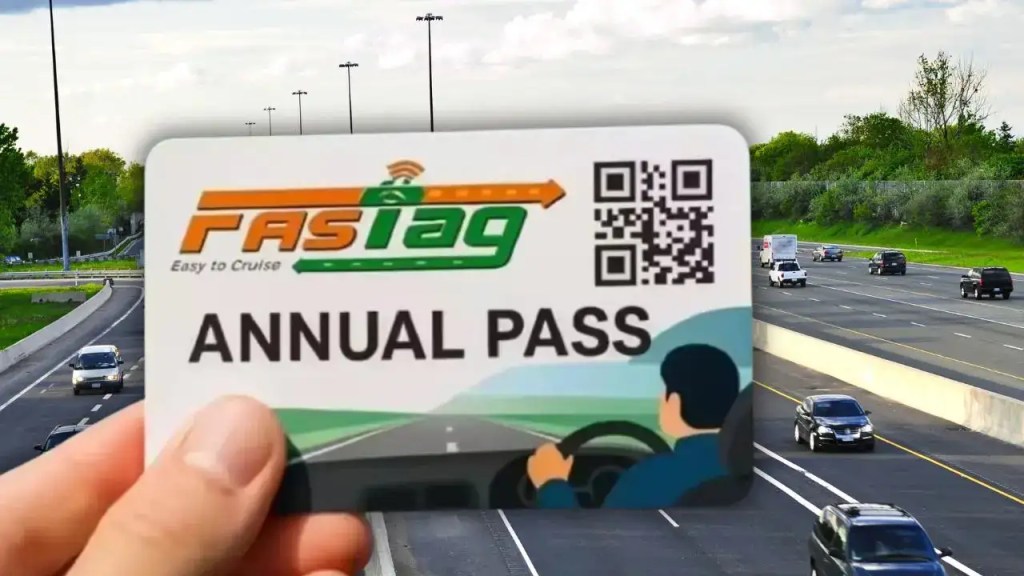
    For regular highway users, opting for a fastag annual pass online can be a smart financial decision. An annual pass is designed for long-term users who travel on the same toll road throughout the year. Instead of renewing every month, you make a one-time payment and enjoy hassle-free toll access for 12 months.

    Applying online is easy and saves time. You don’t need to stand in queues or visit toll offices repeatedly. Everything—from checking eligibility to completing payment—can be done digitally through authorized FASTag platforms or issuing banks.

    Annual passes are especially popular among office commuters, transport service providers, and residents living near toll plazas.


    Monthly Pass vs Annual Pass: Which One Is Better?

    There’s no one-size-fits-all answer here—it really depends on how you use your vehicle.

    Choose a monthly pass if:

    • Your travel is temporary or seasonal
    • You want flexibility without long-term commitment
    • You’re testing whether a pass suits your routine

    Go for an annual pass if:

    • You commute daily on the same toll route
    • You want predictable expenses for the whole year
    • You prefer convenience over repeated renewals

    Both options are designed to save time and money—it’s all about matching the pass to your driving habits.


    How to Apply for a FASTag Pass Online

    The online process is straightforward and user-friendly. You usually need:

    • A registered FASTag
    • Vehicle details (RC)
    • ID proof
    • A linked bank account or wallet

    Once submitted, the pass is activated for the selected toll route. In most cases, activation happens quickly, allowing you to start using it without delay.


    Final Thoughts

    FASTag passes are more than just a convenience—they’re a smart move for anyone who values time, fuel efficiency, and stress-free driving. Whether you’re considering the fastag monthly pass price for short-term needs or planning ahead with a fastag annual pass online, both options are built to make your journeys smoother.

  • Building Spaces Where the Game Comes Alive

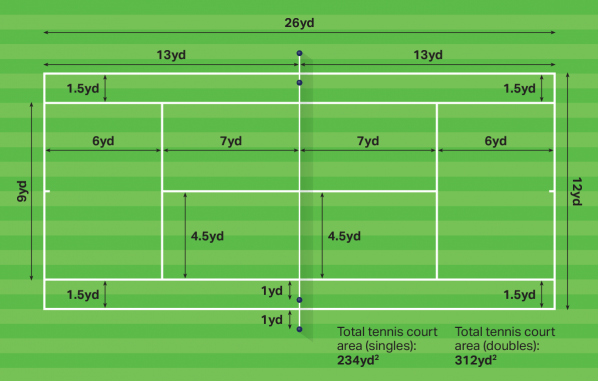
    A tennis court is more than just lines on the ground and a net in the middle. It’s a place where early morning practices turn into lifelong habits, where friendly weekend matches spark community bonds, and where young players dream big with every serve. Behind every great court, there’s careful planning, skilled workmanship, and a deep understanding of how the game should feel underfoot. That’s exactly where a tennis court construction companyplays a vital role.

    Why Tennis Courts Deserve Thoughtful Construction

    Tennis is a sport of precision. Small differences in surface quality can change how the ball bounces, how players move, and even how safe the game feels. A well-built court supports performance while also reducing the risk of injuries. Poor drainage, uneven flooring, or low-quality materials can quickly turn an exciting sports facility into a constant maintenance headache.

    Professional court builders understand this balance. They don’t just pour concrete or lay a surface—they design an experience that suits the players, the climate, and the long-term use of the court. Whether it’s for a school, sports club, housing society, or private residence, quality construction sets the foundation for years of enjoyable play.

    Choosing the Right Surface Makes All the Difference

    One of the most important decisions in court development is selecting the right flooring system. Grass, clay, acrylic, and synthetic surfaces all have their own feel, maintenance needs, and playing characteristics. This is where a trusted tennis court flooring manufacturer becomes essential.

    Manufacturers focus on creating surfaces that deliver consistent bounce, reliable grip, and weather resistance. Modern tennis flooring is engineered to handle heavy usage, strong sunlight, and seasonal changes without losing performance. High-quality flooring systems are also designed with player comfort in mind, helping reduce joint strain during long matches.

    Community Spaces That Bring People Together

    Tennis courts often become social hubs. In residential communities, they’re a place where neighbors meet, kids learn discipline, and adults unwind after long workdays. In schools and colleges, courts encourage students to stay active and build confidence through sport. Because of this social impact, court construction isn’t just about sports—it’s about creating spaces that bring people together.

    Experienced professionals take this responsibility seriously. From safety fencing and proper lighting to color schemes that enhance visibility, every detail is planned to make the court welcoming and inclusive for all age groups.

    Sustainability and Smart Design in Modern Courts

    Today, sustainability matters more than ever. Many modern tennis court projects now include eco-friendly drainage systems, long-lasting materials, and low-maintenance surfaces that reduce water and chemical usage. Smart design choices help facilities stay functional while also being environmentally responsible.

    Good construction and flooring also mean fewer repairs over time. When courts are built correctly from the start, they stay playable longer, saving money and resources in the long run. This practical approach benefits both private owners and public institutions.

    What to Look for in the Right Partner

    If you’re planning to build or upgrade a tennis court, experience and technical knowledge should be top priorities. Look for professionals who understand site conditions, local weather, and player requirements. The best teams don’t rush projects—they focus on durability, safety, and long-term value.

    Equally important is post-installation support. Reliable partners guide you on maintenance, resurfacing timelines, and how to keep the court performing at its best year after year.

    The Court Is Where Memories Are Made

    From first lessons to competitive matches, tennis courts witness countless stories. They host victories, learning moments, and simple joys that go beyond the scoreboard. When built with care and expertise, a court becomes a lasting asset for the community it serves.

    Choosing the right construction and flooring professionals ensures that every rally, every match, and every shared moment happens on a surface that truly respects the game. And in the end, that’s what great tennis spaces are all about—quality, connection, and a love for the sport that never fades.

  • Booking a High-Security Number Plate Online: A Simple Guide for Vehicle Owners

    If you own a vehicle in India, chances are you’ve already heard about High-Security Registration Plates (HSRP). Over the last few years, these plates have gone from being a “nice-to-have” to a legal requirement in many states. Yet, for a lot of people, the process still feels confusing, rushed, or unnecessarily technical. The good news? Booking your plate online is actually straightforward once you understand how it works.

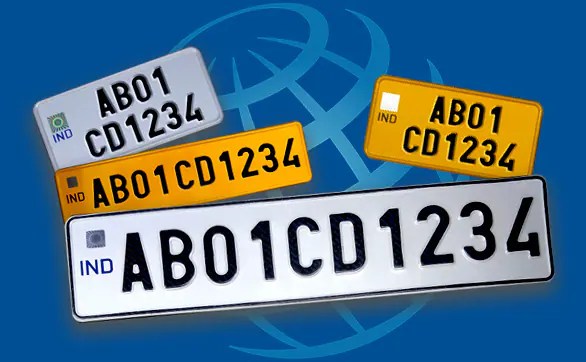
    High-security number plates are designed to improve road safety and reduce vehicle-related crimes. They come with tamper-proof features, laser-etched codes, and standardized fonts that make them harder to duplicate or misuse. This is why transport authorities strongly encourage (and in many cases mandate) vehicle owners to switch to them.

    Why High-Security Number Plates Matter

    Traditional number plates were easy to replicate, remove, or alter. This caused issues not just for law enforcement, but also for honest vehicle owners who became victims of fraud or identity misuse. High-security plates solve many of these problems by adding traceability and uniformity.

    Each plate is linked to your vehicle’s registration number and chassis details. Once installed, it becomes very difficult to remove or tamper with the plate without leaving visible damage. That’s exactly why traffic departments across India now insist on HSRP compliance for both old and new vehicles.

    Understanding the Online Booking Process

    The online system exists to make life easier for vehicle owners. Instead of standing in long queues or relying on agents, you can book your plate from home using basic vehicle details. Platforms offering book my high security no plate services typically ask for information such as your vehicle number, engine number, chassis number, and contact details.

    Once you submit these details, you’re guided to select an authorized fitment center and a convenient appointment slot. This way, you know exactly when and where your plate will be installed—no guesswork involved.

    What Documents Do You Need?

    Before you begin, it’s helpful to keep a few things ready:

    • Vehicle Registration Certificate (RC)
    • Valid mobile number (for OTP and updates)
    • Basic vehicle details like chassis and engine numbers

    That’s it. No heavy paperwork, no unnecessary steps.

    Installation: What to Expect

    After booking, you’ll receive confirmation with the date, time, and location for installation. On the day of your appointment, you simply drive to the selected fitment center. The process usually takes less than 15 minutes.

    Authorized technicians remove the old plates and install the new ones using special non-reusable locks. Once fitted, the plates are updated in the central database, ensuring your vehicle is officially compliant.

    Many users who choose book my high security number plate options online appreciate this transparency. You know the charges in advance, the location is fixed, and there’s no middleman pushing unnecessary extras.

    Costs and Transparency

    The price of high-security number plates is regulated and varies slightly based on vehicle type (two-wheeler or four-wheeler) and state policies. Online portals clearly display the cost before payment, which helps avoid overcharging or confusion.

    While it might feel like an added expense at first, it’s a one-time investment that ensures compliance, safety, and peace of mind.

    Common Mistakes to Avoid

    Even though the process is simple, people often make small errors that delay installation:

    • Entering incorrect vehicle details
    • Selecting the wrong fitment center
    • Missing the appointment date

    Double-checking your information before submitting can save you time and frustration later.

    Final Thoughts

    Switching to a high-security number plate isn’t just about following the rules—it’s about protecting your vehicle and contributing to safer roads. The online booking system is designed to be user-friendly, transparent, and efficient, even for first-time users.

  • Your Ultimate Guide to Booking High-Security Registration Plates Online in India

    In recent years, the Government of India has taken several steps to make vehicle registration more streamlined, secure, and tamper-proof. One such major step is the introduction of High-Security Registration Plates (HSRPs). These plates are now mandatory for all vehicles, old or new, across many Indian states. If you’re looking to comply with this new rule, then understanding the process to apply for an HSRP is crucial. One of the easiest ways to do so is through the online platform bookmy hsrp com, which has simplified the registration and installation process for vehicle owners.

    What Are HSRP Plates and Why Are They Important?

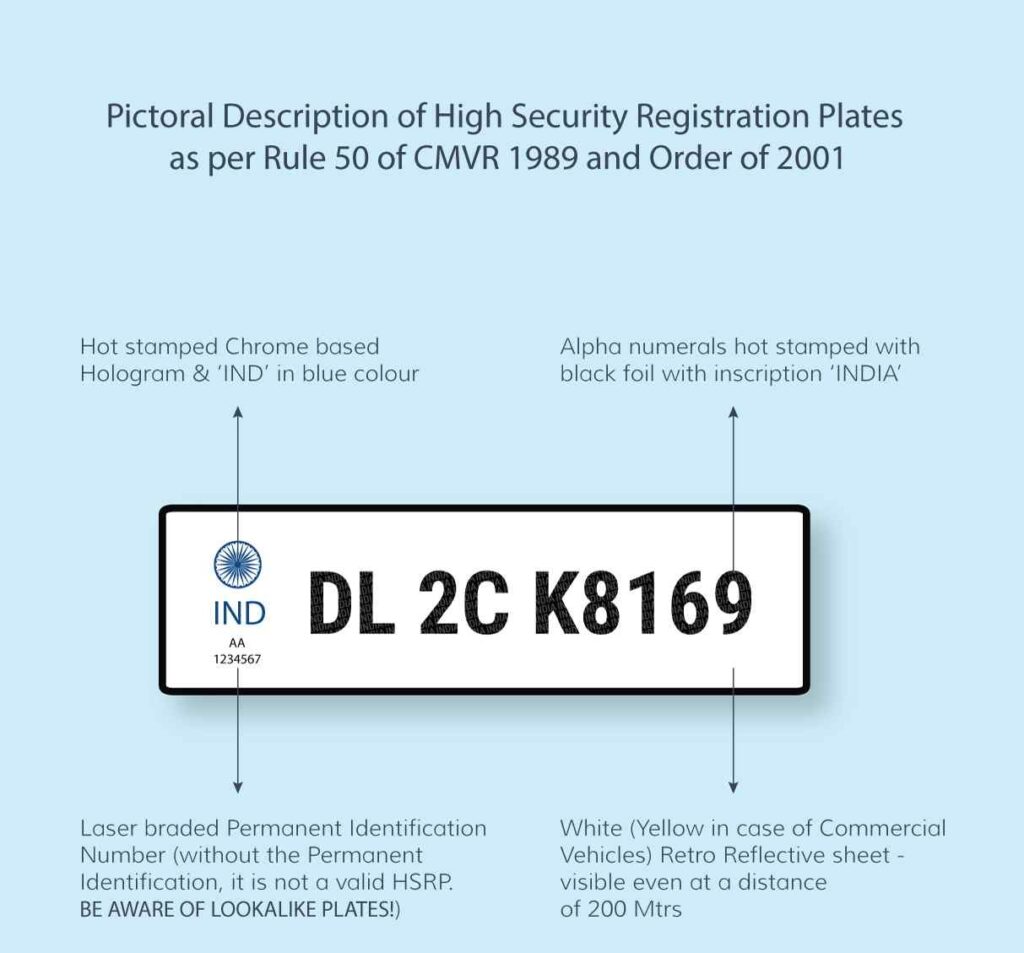
    HSRP stands for High-Security Registration Plate. These plates are made from aluminium and are fixed with non-removable snap-on locks. They are laser-engraved with a unique code and come with a chromium-based hologram for enhanced security. HSRPs are tamper-proof and help in identifying stolen vehicles and maintaining a uniform vehicle registration system across the country.

    With rising concerns about vehicle theft and fraud, HSRPs are a much-needed solution. The new plates also help law enforcement track and monitor vehicles better due to standardized features like laser codes and color-coded stickers for fuel types.

    The Role of Online Platforms in HSRP Booking

    Gone are the days when you had to wait in long queues at the RTO (Regional Transport Office) or vehicle dealerships. Now, the process is quick, user-friendly, and entirely online. That’s where book my hsrp comcom comes into the picture. This platform, recognized by authorized HSRP manufacturers, allows you to book your high-security number plate from the comfort of your home.

    Whether you have a two-wheeler or four-wheeler, a private vehicle or commercial one, this website supports bookings for a wide range of vehicles. The service covers most Indian states and continues to expand rapidly.

    How to Book Your HSRP Online

    Here’s a step-by-step breakdown of how to book your plate:

    1. Visit the Official Website
      Open your browser and go to the platform where the service is available. Make sure you are using a secure and verified website (look for HTTPS in the URL).
    2. Enter Vehicle Details
      Fill in important details like registration number, engine number, chassis number, and vehicle category (private/commercial, two-wheeler/four-wheeler).
    3. Choose Fitting Location
      You will be prompted to select a fitment location from a list of authorized dealers or service centers in your area. Choose one that is convenient for you.
    4. Pick an Appointment Date
      Once you select the location, you’ll get available dates and time slots for the fitting of your HSRP.
    5. Make Payment Online
      The cost of the HSRP varies by vehicle type and state, but it typically ranges between ₹300 and ₹600. You can make the payment securely through net banking, UPI, credit card, or debit card.
    6. Receive Confirmation
      After payment, you’ll get a confirmation SMS or email with your appointment details. Keep this handy for your visit.

    What to Expect on the Day of Fitment

    When you arrive at the selected dealership or center, your vehicle details will be verified. A trained technician will fix the HSRP onto your vehicle using tamper-proof snap locks. This process usually takes 15–30 minutes. Ensure you carry your appointment confirmation and original vehicle documents.

    Once installed, do not try to remove or alter the plate. Tampering can lead to penalties or voiding of insurance in some cases.

    Frequently Asked Questions

    1. Is it mandatory for old vehicles to get HSRP?
    Yes, most states have mandated HSRP for all vehicles, including those registered before April 2019.

    2. Can I reschedule my appointment?
    Yes, the online portal often allows rescheduling depending on the availability of slots.

    3. What if I lose my HSRP?
    You can apply for a duplicate through the same portal. You may be required to submit a police FIR in case of theft.

    Final Thoughts

    Transitioning to a more secure and standardized registration system is a step forward in making our roads safer. Platforms like bookmy hsrp com are making it easier for citizens to comply with regulations without hassle. Whether you’re a daily commuter or someone who drives occasionally, updating your vehicle’s registration plate to a high-security one is not only a legal obligation but also a smart safety move.

  • FASTag Pass Options Explained: Monthly Pricing vs Annual Online Plans

    India’s highways have changed a lot in the last few years. Long queues at toll plazas, cash hassles, and unnecessary delays are slowly becoming things of the past. At the centre of this transformation is FASTag — a simple RFID-based system that makes toll payments smoother and faster. As more commuters use highways regularly, questions around passes, pricing, and online options are becoming common. Two of the most searched topics today are fastag monthly pass price. Understanding these properly can help you save both time and money.

    Understanding FASTag Beyond Regular Recharge

    For occasional travellers, a normal FASTag recharge works fine. You top up your wallet and toll charges are deducted automatically as you pass through plazas. But if you’re someone who drives daily or frequently on the same toll route — for work, business, or family reasons — pass-based options are far more cost-effective.

    FASTag passes are designed mainly for local and frequent users. They allow unlimited or fixed-use travel on specific toll plazas for a defined period. Instead of paying every time you cross a toll, you pay once for the pass and travel freely within the rules of that pass.

    How FASTag Monthly Passes Work

    A monthly FASTag pass is generally issued for a specific toll plaza or a pair of plazas. These are especially useful for people living near highways who cross the same toll every day. The fastag annual pass online depends on several factors, including the toll location, vehicle category (car, jeep, van, etc.), and rules set by the toll operator.

    In most cases, monthly passes are valid for 30 days and allow unlimited crossings. Prices usually range from a few hundred to a couple of thousand rupees, depending on the route. Compared to paying per trip, monthly passes can offer significant savings for daily commuters.

    However, it’s important to note that not all toll plazas offer monthly passes. Availability depends on local toll policies, so eligibility should always be checked before applying.

    Eligibility and Documents for Monthly Pass

    Monthly FASTag passes are usually meant for non-commercial private vehicles. You may be required to provide proof of residence near the toll plaza or documents showing frequent usage of that route. Vehicle registration details, FASTag ID, and identity proof are commonly requested.

    Once approved, the pass is linked directly to your existing FASTag, and deductions stop for that specific toll plaza during the pass validity.

    Exploring Annual FASTag Options Online

    Many users also search for fastag annual pass online, hoping for a nationwide yearly solution. While a single universal annual pass for all highways does not officially exist yet, some toll operators and regional authorities do offer long-term or annual-style passes for specific routes or bridges.

    These passes are typically route-specific and are best suited for people who use the same highway stretch throughout the year. Applying online is convenient, as it avoids paperwork and repeated visits to toll offices.

    How to Apply for FASTag Passes Online

    Applying for FASTag passes online is fairly simple. Most major FASTag issuing banks and platforms allow you to manage passes through their apps or websites. After logging in, you can check whether your toll plaza supports monthly or long-term passes.

    You select the pass type, upload required documents if asked, and make the payment online. Once approved, the pass is activated on your FASTag account, usually within a short time.

    Monthly vs Annual: Which Is Better?

    Choosing between a monthly and a long-term pass depends entirely on your usage pattern. Monthly passes are flexible and suitable if your travel routine changes frequently. They also involve lower upfront costs.

    Annual or long-term online passes, where available, are better for users with predictable travel patterns on the same route all year. They reduce the need for repeated renewals and provide peace of mind.

    Common Mistakes to Avoid

    Many users assume that passes work on all toll plazas, which is not true. FASTag passes are location-specific. Using a pass-enabled FASTag on a different toll plaza will result in normal toll charges.

    Another mistake is not renewing passes on time. Once a pass expires, toll deductions resume automatically. Keeping track of validity dates helps avoid unexpected charges.

    Final Thoughts

    FASTag passes are a smart option for frequent highway users, but only when chosen wisely. Understanding pricing, eligibility, and route limitations is key. Whether you’re checking monthly pricing or exploring online long-term options, the goal is the same — smoother travel and lower costs.

  • Monthly vs Annual Convenience for Indian Highways

    India’s highway travel has changed a lot in recent years. Standing in long toll queues, searching for cash, or arguing about change is slowly becoming a thing of the past. FASTag has made toll payments smoother, faster, and more transparent. But once people start using FASTag regularly, a common question comes up: should you go for a monthly or an annual pass, and how do these options really work in daily life?

    Let’s break it down in a simple, human way—no technical jargon, no confusion.


    Understanding FASTag Monthly Pass Usage

    For people who travel the same toll plaza frequently—like office commuters, transport operators, or business owners—a monthly pass can feel like a practical choice. Instead of paying every single time you cross the toll, you pay a fixed amount upfront for a defined route.

    The fastag monthly pass price usually depends on the toll plaza and the vehicle category. For private cars, this pass is often priced in a way that becomes cost-effective if you cross the same toll more than 20–25 times a month. In many cases, the pass allows unlimited or capped trips for a specific stretch, which can significantly reduce daily travel stress.

    What makes the monthly pass appealing is predictability. You know your toll cost in advance, and your FASTag balance isn’t being deducted randomly every day. For people with fixed routines—like daily office travel or local logistics work—this option often feels like money well spent.


    When a Monthly Pass Makes Sense (and When It Doesn’t)

    A monthly pass is best suited for people who travel the same route again and again. If your route changes frequently or you take highways only once or twice a month, the savings may not justify the cost.

    Also, monthly passes are usually toll-plaza specific. That means if you suddenly change your route or start using a different highway, the pass won’t apply there. This is something many users realize only after purchasing it, so it’s always good to think about your real travel pattern before opting in.


    Exploring Annual Pass Options for Frequent Travelers

    Now let’s talk about the bigger picture—annual passes. Many users are now looking at fastag annual pass online options because they want long-term convenience instead of month-by-month planning.

    An annual FASTag pass is typically designed for users who are extremely regular highway travelers. Instead of renewing a pass every month, you pay once and enjoy extended validity. This not only saves time but often works out cheaper when calculated over 12 months.

    Buying an annual pass online is usually straightforward. Most issuing banks and FASTag platforms allow you to log in, check eligibility for your toll route, and complete the process digitally. No paperwork, no physical visits—just a few clicks.


    Online Purchase: Why It Matters

    The online process has made FASTag passes far more accessible. You can compare options, check pricing, and activate services without standing in queues. Online dashboards also help you track usage, validity dates, and renewal reminders.

    Another advantage is transparency. When you buy passes online, you clearly see the terms—how many trips are allowed, which toll plaza is covered, and what happens after expiry. This reduces confusion and avoids unpleasant surprises at toll booths.


    Monthly vs Annual: Which One Should You Choose?

    There’s no one-size-fits-all answer here. If your travel is consistent but you’re unsure about long-term plans, starting with a monthly pass is a safe move. It lets you test whether the savings are real for your routine.

    On the other hand, if you already know that your travel pattern won’t change much throughout the year, an annual pass can bring peace of mind. No repeated renewals, fewer deductions to track, and often better value over time.


    Final Thoughts

    FASTag passes are all about making travel easier, not more complicated. Whether you choose a monthly or annual option, the goal is the same—smooth journeys, predictable expenses, and less hassle at toll plazas.

  • Where a Good Pickleball Court Really Begins

    Most people think a pickleball court starts with lines on the ground. In reality, it starts much earlier—usually with someone standing in an empty space, imagining rallies, laughter, and that familiar pop of paddle on ball. Whether it’s a quiet backyard, a school playground, or a buzzing community centre, the journey from idea to playable court is surprisingly human. It’s full of small decisions, compromises, and moments of “let’s do it right, not just fast.”

    Pickleball’s rise hasn’t been subtle. Courts are popping up everywhere, and with that growth comes a lot of rushed builds, quick fixes, and surfaces that feel great for a few months before problems show up. The difference between a court people love and one they quietly avoid usually comes down to how thoughtfully it was planned and built.

    It’s Not Just a Slab of Ground

    At first glance, the process looks simple. Measure the space. Pour or prepare a base. Add a surface. Paint the lines. Done. But anyone who’s played on more than a handful of courts knows it’s rarely that straightforward.

    pickleball court construction is as much about what you don’t see as what you do. Base preparation matters more than almost anything else. A surface laid over an uneven or poorly compacted base will eventually crack, settle, or drain badly. And when that happens, no amount of repainting will fix the underlying issue.

    Good construction takes patience. It means allowing materials to cure properly. It means accounting for slope, water runoff, and even the direction of the sun if the court will see heavy daytime use. These aren’t glamorous steps, but they’re the ones that decide whether a court lasts five years or fifteen.

    The Role of People Who’ve Done This Before

    There’s a certain confidence that comes from experience. You can feel it when you talk to professionals who’ve built dozens—or hundreds—of courts. They’ve seen what fails. They know what corners not to cut.

    That’s where pickleball court builders really earn their keep. Not just by following a checklist, but by asking the right questions early. How often will the court be used? Who’s playing on it? Is it multi-sport or pickleball-only? What’s the local climate actually like year-round, not just in brochures?

    The best builders don’t oversell. They explain trade-offs honestly. Maybe one surface costs more upfront but saves money on maintenance. Maybe another feels great underfoot but isn’t ideal for a shaded, damp location. Those conversations are where good courts are born.

    Installation Is Where Theory Meets Reality

    Design plans look perfect on paper. Installation is where those plans meet real ground, real weather, and real timelines. It’s also where small mistakes can quietly turn into long-term frustrations.

    pickleball court installation demands attention to detail. Surface layers need consistent thickness. Coatings must be applied under the right conditions. Even line painting has rules—wrong paint or poor adhesion can lead to peeling within months.

    This phase is also about sequencing. Rushing from one step to the next can undo weeks of good prep. Experienced crews know when to slow down, even if it means pushing a finish date. That restraint is often invisible to the end user, but it’s felt every time the ball bounces true.

    Outdoor Courts: Built for the Real World

    Outdoor courts live hard lives. Sun, rain, dust, leaves, and temperature swings all leave their mark. A well-built outdoor court anticipates this. Slight slopes help water drain away instead of pooling. Surface textures balance grip with comfort. Materials are chosen for resilience, not just appearance.

    Too many outdoor courts fail because they’re treated like indoor ones with a roof missing. Nature doesn’t forgive that mistake. The courts that age best are the ones designed with humility—accepting that weather will win some battles, but not the war.

    Indoor Spaces Have Their Own Challenges

    Indoor courts don’t face rain or UV damage, but they come with their own quirks. Shared spaces mean more wear from different sports, more foot traffic, and stricter expectations pickleball court installation  around noise and surface markings.

    Here, flexibility is key. Courts that work well indoors usually prioritise consistency and safety over extreme performance. Players may not notice right away, but over time, these balanced choices keep facilities usable and communities happy.

    Why the Best Courts Feel Unremarkable

    It sounds strange, but the best pickleball courts rarely impress you at first. They don’t shout for attention. They just… work. The bounce is predictable. Your feet trust the surface. You stop thinking about the ground and start thinking about the game.

    That’s not an accident. It’s the result of dozens of small, correct decisions made during planning, construction, and installation. Decisions that favour long-term play over short-term savings.

    A Thoughtful Ending, Not a Hard Sell

    If you’re considering building a pickleball court, take a moment to watch people play on a good one. Notice how little they talk about the surface. Notice how long they stay. Notice how often they come back.

  • What Really Goes Into Building (and Maintaining) a Tennis Court

    There’s something quietly powerful about a tennis court. Maybe it’s the symmetry, the lines drawn with intention, or the fact that it can host both fierce competition and lazy Sunday rallies. From a distance, a court looks simple. Flat surface. Net in the middle. A few painted markings. But anyone who’s ever seriously thought about building or upgrading one quickly realises there’s a lot more beneath the surface — literally and figuratively.

    Whether you’re a club manager, a school administrator, a property developer, or just someone dreaming of a private court in the backyard, understanding how courts are built and cared for helps you make smarter decisions. And, frankly, it saves money and regret down the line.

    The Surface Is the Soul of the Court

    The first real decision — and arguably the most important — is choosing the right tennis court material. This choice shapes everything: how the game feels, how much maintenance you’ll deal with, and how long the court will last before it starts complaining.

    Hard courts, usually made from asphalt or concrete with acrylic coatings, are common because they’re durable and relatively predictable. The ball bounce is consistent, which players tend to like, but they’re harder on the joints. Clay courts, on the other hand, are slower, easier on the body, and romantic in a very European way — but they demand constant grooming and care. Then there’s grass, beautiful and unforgiving, which few people choose today unless tradition or prestige demands it.

    What often gets overlooked is how climate and usage should influence this decision. A surface that works perfectly in a dry, mild climate may struggle in areas with heavy rain, extreme heat, or freezing winters. The “best” material is rarely universal — it’s contextual.

    It’s Not Just the Court, It’s What’s Under It

    A lot of people fixate on the visible surface and forget what lies underneath. Drainage, base layers, and soil preparation don’t sound glamorous, but they determine whether your court ages gracefully or cracks and sinks within a few years.

    Poor drainage is one of the fastest ways to ruin a court. Water that doesn’t move away properly will find ways to damage the surface, especially with freeze-thaw cycles. This is why experienced contractors obsess over sub-base design, even though it’s the part no one ever sees once the court is finished.

    The Question Everyone Asks (and Dreads)

    Sooner or later, the conversation always turns to tennis court construction cost. And it’s understandable — this isn’t a small investment. Costs vary wildly depending on location, materials, site preparation, fencing, lighting, and whether you’re building from scratch or upgrading an existing space.

    A basic outdoor hard court can be relatively affordable compared to clay or grass, but “basic” is a slippery word. Add professional-grade fencing, LED lighting, wind screens, or custom colours, and the numbers climb quickly. What matters most is transparency and planning. A court built cheaply with corners cut often ends up being far more expensive after a few years of repairs.

    Many people also underestimate ongoing costs. A court isn’t a one-time purchase; it’s a living structure that needs attention.

    Wear Happens — Even on the Best Courts

    No matter how well a court is built, time and play take their toll. Cracks appear. Colours fade. The surface loses its grip. This is where tennis court resurfacing becomes part of the conversation, not as a failure, but as normal upkeep.

    Resurfacing doesn’t always mean tearing everything out and starting again. In many cases, it involves repairing cracks, restoring texture, and applying new acrylic layers to bring the court back to life. Done at the right time, resurfacing can extend a court’s lifespan by many years and dramatically improve play quality.

    The mistake people make is waiting too long. Small surface issues are relatively inexpensive to fix. Ignored problems tend to grow — and eventually demand full reconstruction instead of a manageable refresh.

    How the Court Feels Matters More Than You Think

    Players notice things that don’t show up on spec sheets. How forgiving the surface feels after an hour of rallies. Whether the ball skids or grips just a bit too much. Whether the court drains quickly after rain or stays damp and slippery.

    These details influence how often the court gets used and how much people enjoy playing on it. For clubs and schools, this directly affects member satisfaction and participation. For private owners, it’s the difference between a court that becomes a daily joy and one that slowly turns into an expensive ornament.

    There’s an Emotional Side to It, Too

    This might sound strange, but courts carry memories. First lessons. Weekend matches. Quiet solo practice sessions at dusk. When a court is well designed and cared for, people form attachments to it. That’s why thoughtful construction and maintenance matter beyond just technical specs.

    A court that feels neglected sends a subtle message: this place doesn’t care. A court that’s clean, safe, and thoughtfully maintained invites people in.

    Thinking Long-Term Pays Off

    The smartest court projects aren’t the cheapest or the most extravagant. They’re the ones that balance upfront investment with long-term usability. Choosing materials that suit the environment, planning for maintenance, and budgeting for periodic upgrades creates a court that serves players well for decades.

    It’s tempting to focus only on the build phase, but experienced owners think in timelines: five years, ten years, twenty. They ask how the court will age, not just how it will look on opening day.

    A Final Thought Before You Pick Up the Phone

    If you’re considering building or upgrading a tennis court, slow down just a little. Ask questions. Talk to people who play on the surface daily, not just those who sell it. Think about who will use the court, how often, and in what conditions.

  • Book My HSRP Com: A Complete Guide to Getting a High Security Number Plate Online

    With stricter traffic rules and growing concerns about vehicle security, High Security Registration Plates (HSRP) have become mandatory for most vehicles in India. If you own a car or bike and still don’t have an HSRP, booking it online is the easiest and safest option today. Platforms like book my hsrp com make the entire process simple, transparent, and hassle-free for vehicle owners.

    In this guide, we’ll explain what HSRP is, why it’s important, how online booking works, and what you should know before placing your order.


    What Is a High Security Number Plate?

    A High Security Number Plate (HSRP) is a standardized vehicle registration plate introduced by the Government of India. It is designed to prevent vehicle theft, duplication of number plates, and misuse of vehicles for illegal activities.

    An HSRP comes with:

    • A chromium-based hologram
    • Laser-etched unique identification number
    • Tamper-proof snap locks
    • Non-removable design

    These features make it almost impossible to duplicate or replace the plate once installed, ensuring better vehicle tracking and security.


    Why Is HSRP Mandatory?

    HSRP has been made compulsory across many states to improve road safety and law enforcement. Vehicles without HSRP may face:

    • Heavy traffic fines
    • Challans during routine checks
    • Issues during resale or transfer
    • Problems with insurance claims

    Installing an HSRP keeps you compliant with government regulations and avoids unnecessary penalties.


    How Online Booking Makes It Easy

    Earlier, getting a number plate involved visiting RTOs or local agents, which was time-consuming and confusing. Now, online portals allow vehicle owners to book their plates from home.

    Using trusted platforms like book my high security no plate, users can:

    • Enter vehicle registration details
    • Select fitment location and date
    • Make secure online payment
    • Get official, government-approved HSRP plates

    The entire process usually takes only a few minutes.


    Step-by-Step Process to Book HSRP Online

    Here’s how you can book your High Security Number Plate online:

    1. Visit the official booking website
      Go to an authorized HSRP portal approved for your state.
    2. Enter vehicle details
      Provide your registration number, chassis number, and engine number.
    3. Choose fitment location
      Select a nearby authorized dealer or fitment center.
    4. Select appointment date & time
      Pick a convenient slot for installation.
    5. Make online payment
      Pay securely using UPI, debit card, credit card, or net banking.
    6. Visit the fitment center
      On the scheduled date, get your HSRP installed by professionals.

    What Documents Are Required?

    The booking process is simple and requires minimal documentation:

    • Vehicle Registration Number
    • Chassis Number (last 5 digits)
    • Engine Number (last 5 digits)
    • Valid mobile number

    No physical documents are usually required during booking, though you may be asked to carry RC during fitment.


    Book My High Security No Plate: Common Questions

    Many vehicle owners search for book my high security no plate because they want clarity on pricing and timelines.

    Cost:
    The price of HSRP generally depends on vehicle type:

    • Two-wheelers: Lower cost
    • Four-wheelers: Slightly higher cost
      Prices are fixed by the government, so there is no overcharging.

    Delivery & Installation Time:
    Most users receive installation within 3–7 working days after booking, depending on availability and state guidelines.


    Benefits of Booking HSRP Online

    Booking your HSRP online offers several advantages:

    • Saves time and effort
    • Transparent pricing
    • Government-approved plates
    • Secure digital payment
    • Easy appointment scheduling
    • Reduced risk of fraud or fake plates

    Online booking also ensures that your vehicle details are correctly mapped in official databases.


    Final Thoughts

    High Security Number Plates are no longer optional—they are a legal requirement and an important safety feature for every vehicle owner. Online portals like book my hsrp com have made the process smooth, fast, and reliable, removing the confusion that existed earlier.

    If you haven’t installed your HSRP yet, now is the right time to act. Booking online ensures compliance with the law, protects your vehicle from misuse, and gives you peace of mind on the road.

Design a site like this with WordPress.com
Get started