If you’re thinking about building a basketball court, whether for your home, school, or a commercial facility, there are two key things you’ll want to understand clearly: how much it costs and what the standard size should be. These factors not only influence your budget but also determine how enjoyable and functional your court will be in the long run.
Let’s break things down in a simple, friendly way so you can plan confidently.
What Is the Standard Basketball Court Size?
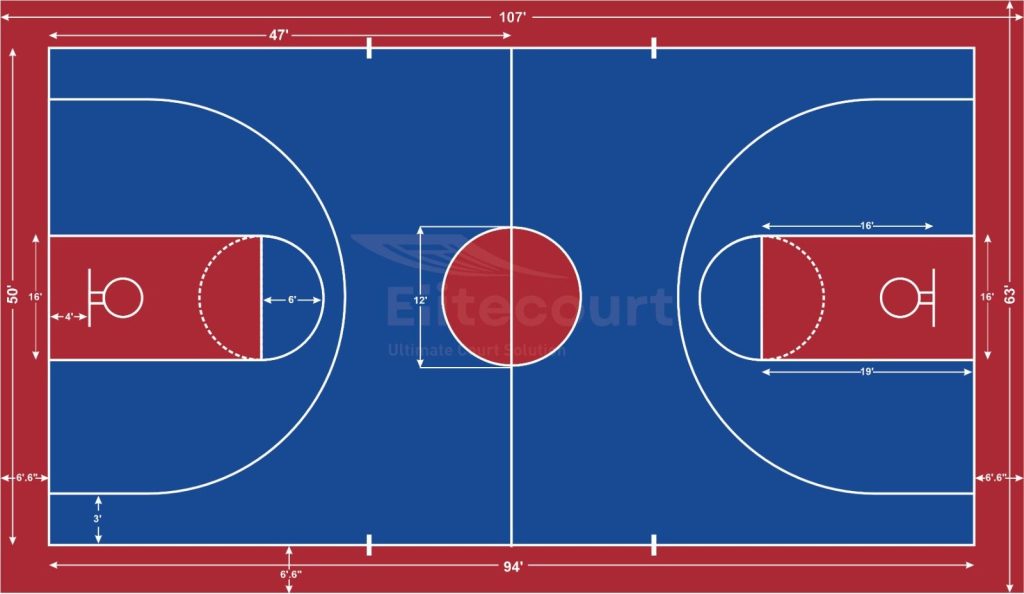
Before jumping into expenses, it’s important to understand the dimensions. The official basketball court cost varies slightly depending on the level of play.
For professional courts like those used in the NBA, the standard size is 94 feet long and 50 feet wide. On the other hand, college courts share the same dimensions, while high school courts are slightly smaller at around 84 feet by 50 feet.
If you’re planning a backyard or recreational court, you don’t necessarily need to stick to full-size measurements. Many people opt for half-courts or even smaller setups depending on available space. A half-court typically measures around 47 feet by 50 feet, which is more manageable for residential use.
Understanding the basketball court size in feet helps you plan space efficiently and ensures the court meets your intended purpose, whether it’s casual play or competitive training.
Factors That Affect Basketball Court Cost
Now, let’s talk about the big question—how much does it actually cost?
The total basketball court cost can vary widely depending on several factors. Here are the main ones you should consider:
1. Court Size
Naturally, a full-size court will cost significantly more than a half or mini court. More area means more materials, labor, and finishing work.
2. Surface Material
The type of surface you choose plays a major role in cost. Concrete is the most common and affordable option. Asphalt is another budget-friendly choice, while modular tiles or hardwood (for indoor courts) can increase the cost.
3. Location (Indoor vs Outdoor)
Outdoor courts are generally less expensive because they don’t require roofing or extensive structural work. Indoor courts, however, offer better protection and durability but come with higher construction costs.
4. Additional Features
Adding extras like lighting, fencing, seating, or custom markings will increase the total budget. Even things like drainage systems and landscaping can impact the final price.
Average Cost Breakdown
To give you a rough idea, here’s what you can expect:
- Basic backyard half-court: ₹5 lakh to ₹15 lakh
- Full outdoor court: ₹15 lakh to ₹40 lakh
- Indoor professional court: ₹50 lakh and above
These numbers can fluctuate based on your location, material quality, and customization level. So, the basketball court cost isn’t fixed—it really depends on how premium or simple you want your setup to be.
Choosing the Right Size for Your Needs
Not everyone needs a full-sized court. In fact, many people prefer smaller courts for personal use. If you have limited space, a half-court or even a shooting area can still provide a great playing experience.
For schools or training academies, sticking close to official dimensions is usually recommended. This ensures players get used to real-game conditions.
If your goal is family fun or fitness, you can customize the court size to fit your backyard without worrying too much about official measurements.
Tips to Optimize Cost Without Compromising Quality
Building a court doesn’t always have to be expensive. Here are a few practical tips:
- Start with a smaller court and expand later if needed
- Choose durable but affordable materials like concrete
- Skip unnecessary extras initially and add them over time
- Work with experienced contractors to avoid costly mistakes
Planning smartly can help you manage expenses while still creating a high-quality playing surface.
Final Thoughts
Building a basketball court is an exciting investment, whether it’s for personal use or a larger project. By understanding both the dimensions and cost factors, you can make better decisions and avoid surprises along the way.
 Site Title
Leave a comment